
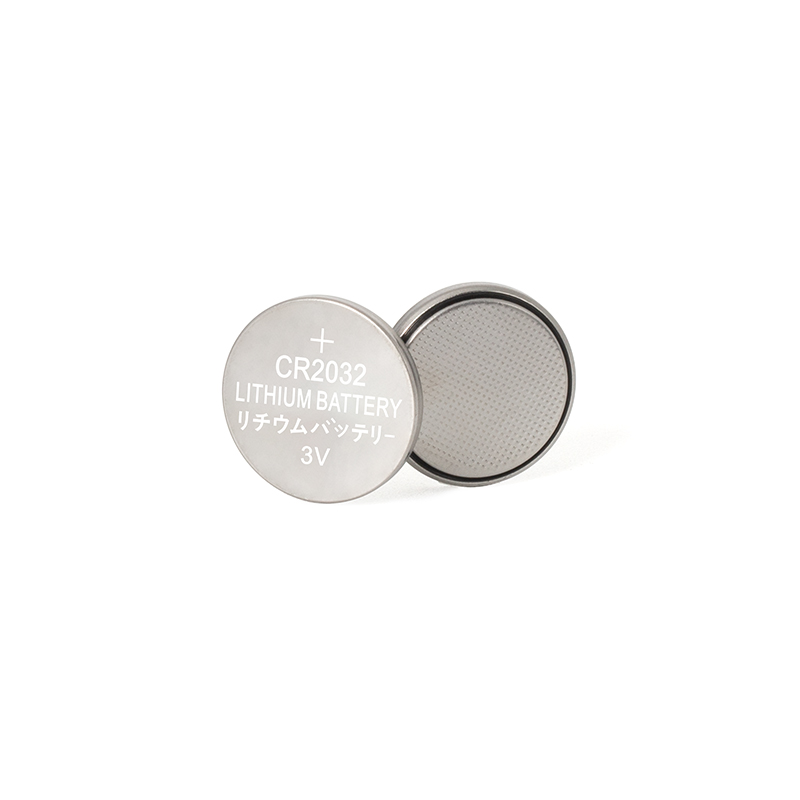
As a common power source in modern electronic devices, industrial button batteries have gradually become a core component of many high-tech products due to their compact size, powerful energy output, and wide range of applications.
With the increasing miniaturization and intelligence of modern electronic devices, button batteries, as the heart of the energy system, are widely used in scenarios with extremely high reliability requirements, such as smartwatches, hearing aids, medical
In critical devices such as smart meters, medical instruments, automotive electronics, security sensors, and even industrial IoT terminals, energy supply, though small, is crucial.
As the Internet of Things (IoT) continues to expand into smart cities, industrial automation, healthcare monitoring, and environmental sensing, the demand for compact, reliable, and long-lasting power sources has never been greater. Among the most critica
Safety is one of the core indicators of industrial button batteries, and the electrolyte composition ensures battery safety through multiple mechanisms.
If there are differences in the wettability of the separator during the mass production of industrial button battery cells, it will lead to inconsistent performance between different batteries.